Enemies,(Series)[1][2] also known as Monsters,(BotW)[3] are a recurring mechanic in The Legend of Zelda series.
Characteristics
In most video games, enemies are minor antagonists that pose a threat to the player character and attempt to harm and defeat them in order to stop the player itself from completing their primary objective (which can lead to a Game Over if successful), whether it is a hostile human or creature. Therefore, as they frequently appear, usually in groups, the protagonist must avoid or eliminate them in order to progress through stages safely. They are most often simply minions of the main antagonist and are generally basic in terms of how dangerous they are based on attacks or their appearance. However, some are stronger or more aggressive than others, and the most advanced are large stoic guardians, serving as Mini-Bosses or Bosses. Although the Final Boss is also technically an enemy and normally the strongest of this type of mechanic, these are separate from lesser opponents in the plot, as they are almost always the main villain of the game.
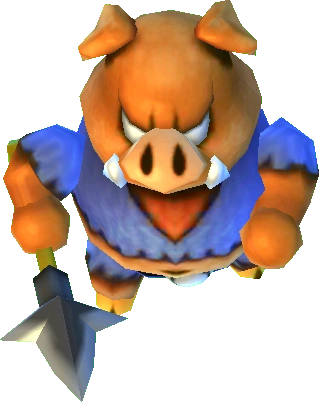
An example of a typical enemy in the franchise, the Moblin (from A Link Between Worlds)
In The Legend of Zelda series, enemies are generally evil monsters created by Ganon or other lead antagonists through shadow magic and are sent by them to take down Link or other playable characters, alongside causing havoc to the world, coming in great numbers. They are also in many different shapes and sizes. Therefore, these foes are the "grunt" force of the villain of each installment. Some of the most commonly known enemies include Moblins, Stalfos, Octoroks, Keese, Armos, Bokoblins, Poes, and more. They are generally found in Dungeons, but also often appear in the Overworld as well. At times, enemies can also serve as a puzzle for Link to accomplish. Although most enemies attack Link on sight, the most basic ones simply wonder around areas or move very slowly, making them easy targets for the young hero and an opportunity for beginners (or rarely, veterans playing a new game for the first time) to practice. In the 2D games, Link can also take damage by simply coming into contact with them (which is especially dangerous against stronger foes). Late in the quest of most Zelda games, especially early installments, a previously encountered Sub-Boss and occasionally even actual bosses can later appear as regular enemies, as they no longer guard a specific objective and Link often has new tools to make him defeat such foes more easily.
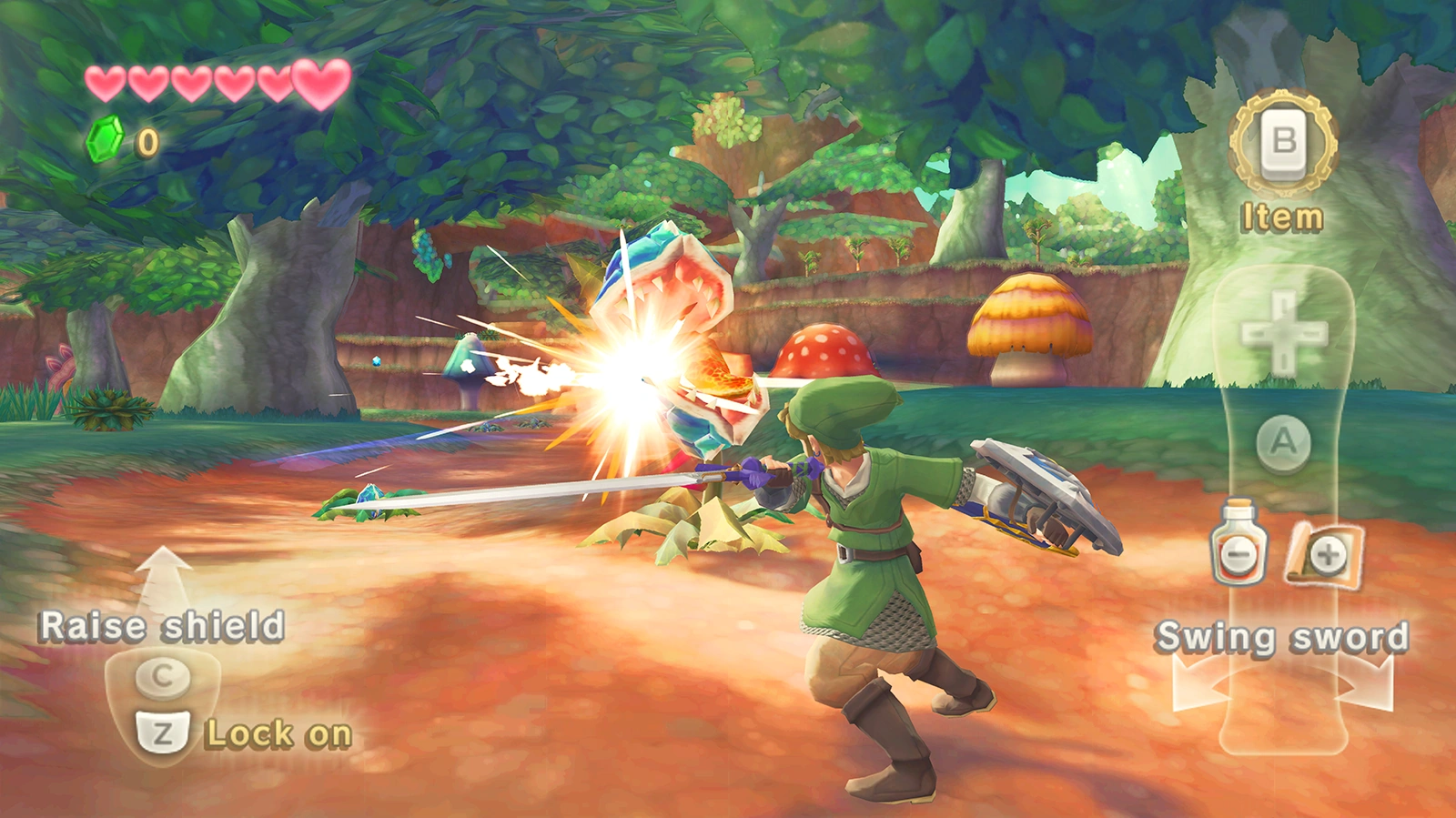
Gameplay screenshot of Link striking down a Deku Baba, one of the common enemies in the series, as seen in Skyward Sword
Fitting the medieval-like setting and hack and slash-style gameplay, most enemies in the franchise can easily be slain by Swords as the primary method of disposal, but some may require different items and even the Shield. When defeated, they often vanish into a puff of smoke (or flames in the Nintendo 64 games) and Link is sometimes rewarded with Recovery Hearts, Magic Jars, Rupees, ammunition (Arrows, Bombs, etc.), or rarely, Fairies. In the 3D games, targeting enemies is beneficial for defeating individual opponents more easily, specifically when using certain items such as the Bow or Boomerang or performing special sword techniques like the Spin Attack. Though upgrades of weapons or defense as well as healing items such as Potions are not as necessarily needed for standard enemies in comparison to bosses as they are generally weak (often inflicting a quarter or half a Heart), some in certain installments such as The Adventure of Link or A Link to the Past can inflict major damage onto Link or withstand quite a few hits from basic attacks, especially late in his adventure. In optional, more difficult modes such as Second Quest, Master Quest, or Hero Mode, such important abilities become mandatory, as stronger adversaries more frequently appear and/or damage by them is increased, giving a greater challenge for experienced players.
In three-dimensional installments since Ocarina of Time, whenever Link is near an enemy, a battle theme begins to play in the background music, which will last until he moves a certain distance away or if the enemy itself is defeated. This can prove useful for a player having difficulties searching for hidden foes inside dark dungeons or areas, or awaiting an ambush.
Unlike some other action-adventure series games, although all vulnerable enemies in The Legend of Zelda have a certain amount of hit points, they do not have their own health displayed to the player in combat, meaning only Link's is visible. This is done so that they do not explicitly know how many blows are still needed to be delivered, which in turn makes the gameplay experience less predictable, especially against bosses. However, there a few exceptions; In The Wind Waker, when equipped with the Hero's Charm, a health bar can be seen when targeted, and Breath of the Wild, Tears of the Kingdom, as well as Hyrule Warriors, have them fully shown.
Link encountering two Mario enemies, a Goomba and Piranha Plant, in Link's Awakening
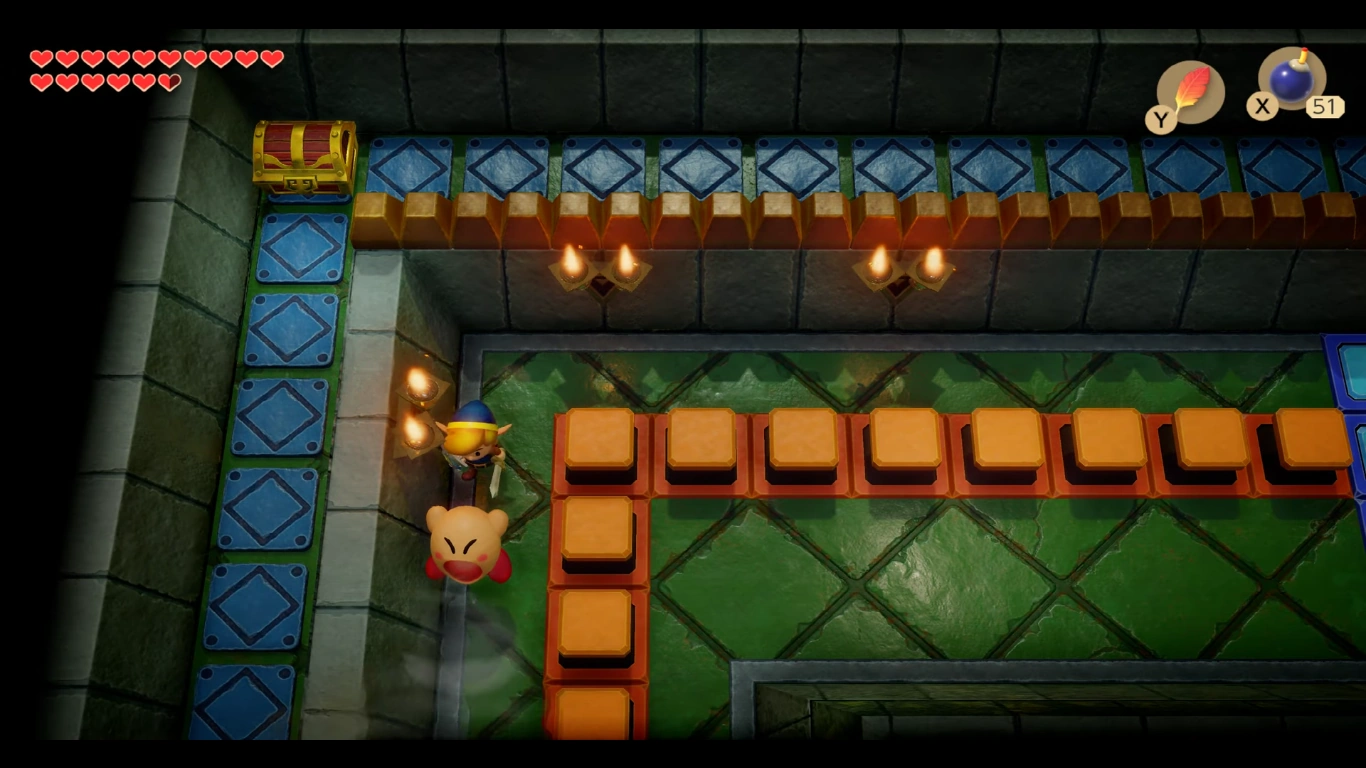
Interestingly, enemies from different Nintendo franchises, mainly Super Mario, make appearances in a few games to fight against the hero as well, such as Goombas, Piranha Plants, Thwomps, Shy Guys, and even Kirby (despite this particular enemy is not the actual character, who is a central protagonist like Link), as primarily showcased in Link's Awakening.
Some Animals, although not technically enemies, can attack or even defeat Link when provoked, such as Mutts, Pigs, and most infamously, Cuccos.
Much like the Mario series, many enemies of The Legend of Zelda are noted by fans for having rather strange names given the appearance of certain species such as Keese (bat), Rope (snake), Ghini/Poe (ghost), Pols Voice (rabbit), ReDead (zombie), Tektike (crab/spider), Wallmaster (undead hand), Gibdo (mummy), or the tube Shield-consuming Like Like.
Mainline Appearances
The Legend of Zelda
The Adventure of Link
A Link to the Past
Link's Awakening
Ocarina of Time
Majora's Mask
Oracle of Seasons
Oracle of Ages
Four Swords
The Wind Waker
Four Swords Adventures
The Minish Cap
Enemies appear both in the Overworld and inside Dungeons in The Minish Cap. Many of the Enemies from Four Swords reappear in The Minish Cap, though some of their appearances have been altered.
Enemies do not appear at all in the game until Vaati opens the Bound Chest at the Picori Festival, releasing monsters into Hyrule.[4][5][6][7] After Vaati is defeated by Link at Dark Hyrule Castle and Princess Zelda uses the Mage's Cap to undo the damage he caused to Hyrule, all the Enemies disappear from across the land.[8]
Twilight Princess
Phantom Hourglass
Spirit Tracks
Skyward Sword
A Link Between Worlds
Tri Force Heroes
Breath of the Wild
In Breath of the Wild, Monster is the name given to the category of most animals who harm and are hostile towards Link.[note 1] Most types of Monsters have different variants that differ in strength or attacks.[9]
Color variants consist of the basic Monster and then blue, black, and silver variants of that Monster, each with an increase in attack strength and health. While playing in Master Mode, a fifth color variant is added, gold Monsters, which are even stronger than silver Monsters. When just starting the game, the Monsters encountered would consist mainly of basic Monsters with occasional blue-variant Monsters; a hidden tally of the Monsters defeated is kept by the game, and when certain milestones are hit, the Monsters scale-up to stronger color variants.[9] For example, Link would encounter regular Bokoblins and occasional Blue Bokoblins when just barely awakening from the Shrine of Resurrection, but by the time he frees a Divine Beast, he is most-likely encountering Blue Bokoblins more often and is now encountering new Black Bokoblins.
On top of color variants, elemental variants separate different Monsters by elemental abilities; the three elemental variants include Fire, Ice, and Electricity.[9] Fire and Ice are the opposites of each other, and hitting a Fire-type Monster with an Ice-type Weapon (or vice-versa) will instantly kill the Monster.[9] For example, hitting an Ice Wizzrobe with a Flamespear will instantly kill the Monster.
Furthermore, many Monsters also have a skeletal variant that randomly appears at night to attack Link called stal monsters.[10] These include Stalkoblins, Stalizalfos, Stalmoblins, and Stalnoxes.[note 2] Their bodies are counted as a separate entity from their skull, with the latter bearing the Monsters's health bar. Generally speaking, skeletal Monsters only drop first and second tier Monster Parts and drop an arm in addition to their held Weapons upon death.
Bosses
In addition to regular Monsters, bosses can be encountered anywhere throughout Hyrule at any time. Bosses that can be encountered in Hyrule include Stone Taluses, Hinox, and Molduga. Two elemental variants of Stone Taluses, Frost Taluses and Igneo Taluses, reside in very cold and very hot climates, respectively. Stone Taluses and all the color variants of Hinox can be found in the grassy plains that take up most of the Hyrule Kingdom. Unlike the other two bosses, Molduga can only be found in the Gerudo Desert.
The rest of the Monsters that make up the Boss category are encountered in one-time only battles; Fireblight Ganon, Thunderblight Ganon, Waterblight Ganon, Windblight Ganon, and Monk Maz Koshia are fought in each Divine Beast, Master Kohga is fought in the Yiga Clan Hideout, and Calamity Ganon is fought in Hyrule Castle.
Monster Parts
All Monsters drop Monster Parts when defeated, which are a class of Material. Monster Parts are grouped into three tiers, with the higher tiers only being dropped by Monsters in higher color variant tiers. (i.e. Bokoblin Horns, a first-tier Monster Part, can be dropped by any Bokoblin, but Bokoblin Guts, a third-tier Monster Part, can only be dropped by Blue Bokoblins or higher.) Monster Parts can be used to create Elixirs, upgrade Armor with a Great Fairy, or sold for Rupees. They can also be sold as the only way to obtain Mon, the currency that Kilton uses in his shop, Fang and Bone.
Tears of the Kingdom
Echoes of Wisdom
After defeating a non-boss enemy in combat, Princess Zelda can summon them as echoes to fight for her.
Other Appearances
The Legend of Zelda (TV Series)
Zelda (Game & Watch)
A Link to the Past (Ishinomori)
The Faces of Evil
The Wand of Gamelon
BS The Legend of Zelda
Zelda's Adventure
Ancient Stone Tablets
SoulCalibur II
Freshly-Picked Tingle's Rosy Rupeeland
Link's Crossbow Training
Super Smash Bros. Brawl
Ripened Tingle's Balloon Trip of Love
Nintendo Land
Mario Kart 8
Hyrule Warriors
Cadence of Hyrule
Gallery
Main series
-
 The Moblin, an enemy from The Legend of Zelda
 -
 Red Daria, an enemy from The Adventure of Link
 -
 A Green Sword Soldier, an enemy from A Link to the Past
 -
 A Pols Voice, an enemy from Link's Awakening
 -
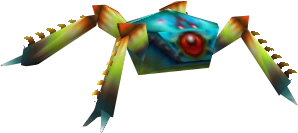
 Blue Tektite, an enemy from Ocarina of Time
 -
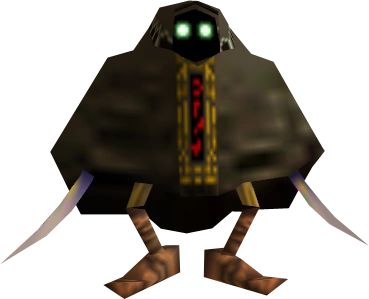
 A Garo, an enemy from Majora's Mask
 -
 Dark Link, an enemy from Oracle of Ages
 -
 A Blue Wizzrobe, an enemy from Oracle of Seasons
 -
 A Keese, an enemy from Four Swords
 -
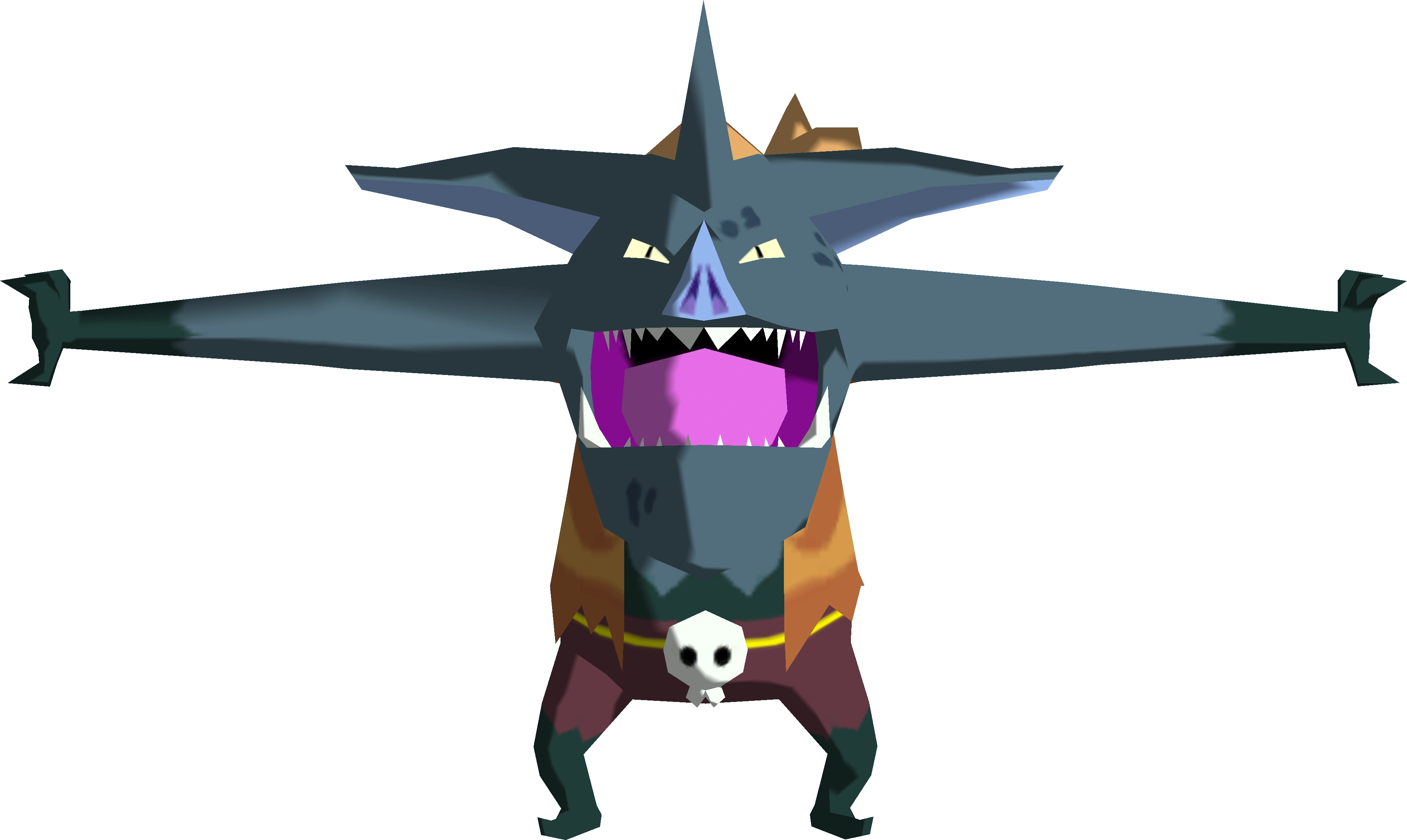
 A Bokoblin, an enemy from The Wind Waker
 -
 A Floormaster, an enemy from Four Swords Adventures
 -
 Blue Stalfos, an enemy from The Minish Cap
 -
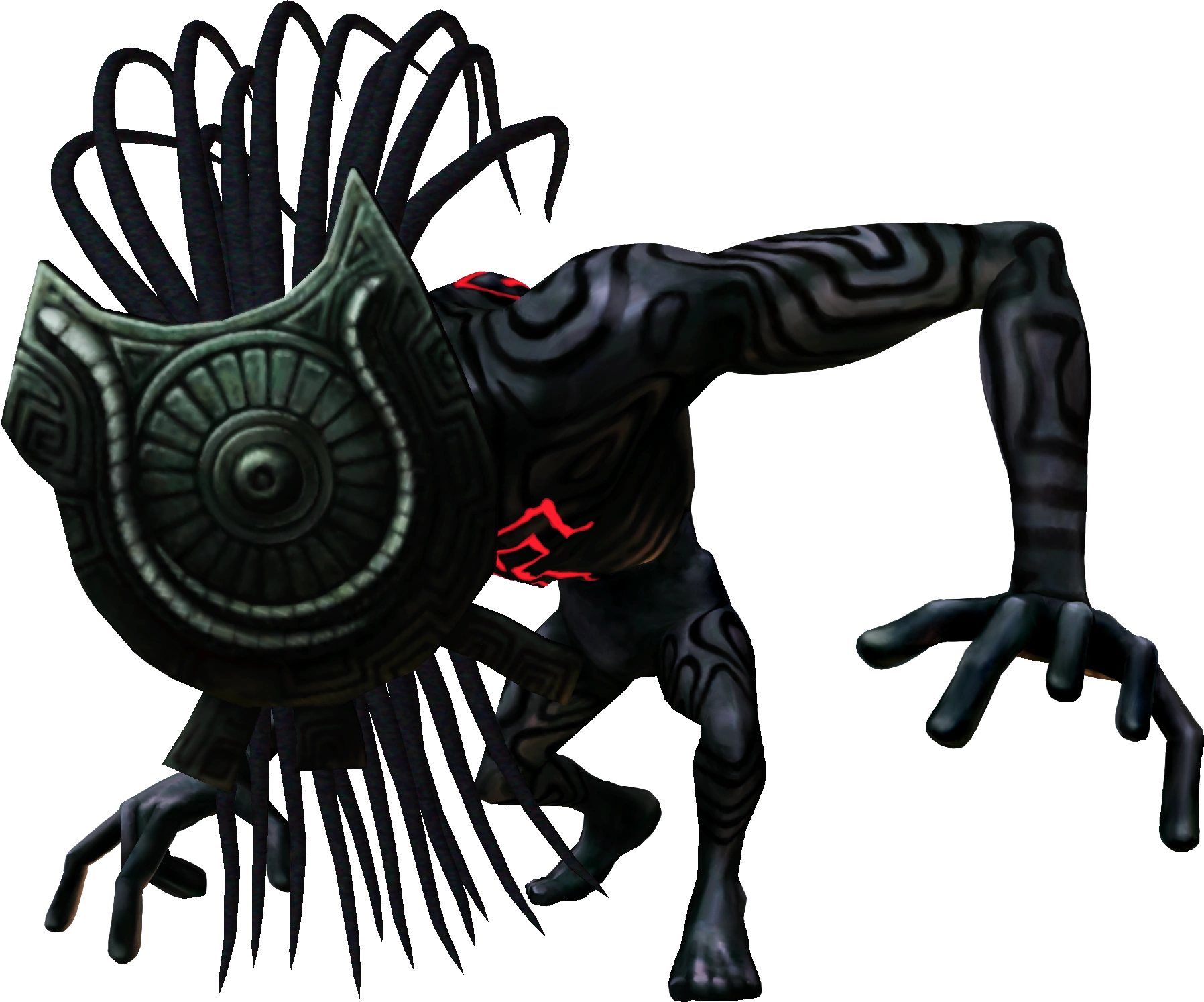
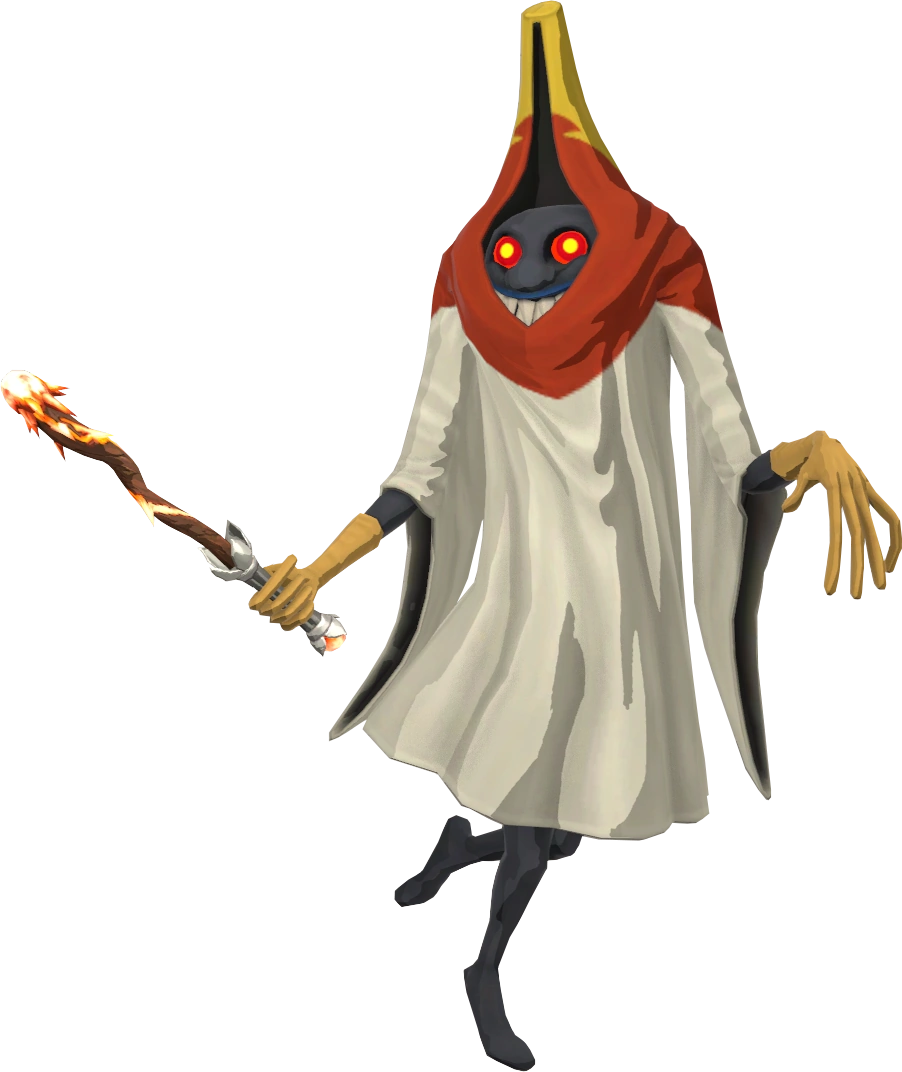
 The Shadow Beast, an enemy from Twilight Princess
 -
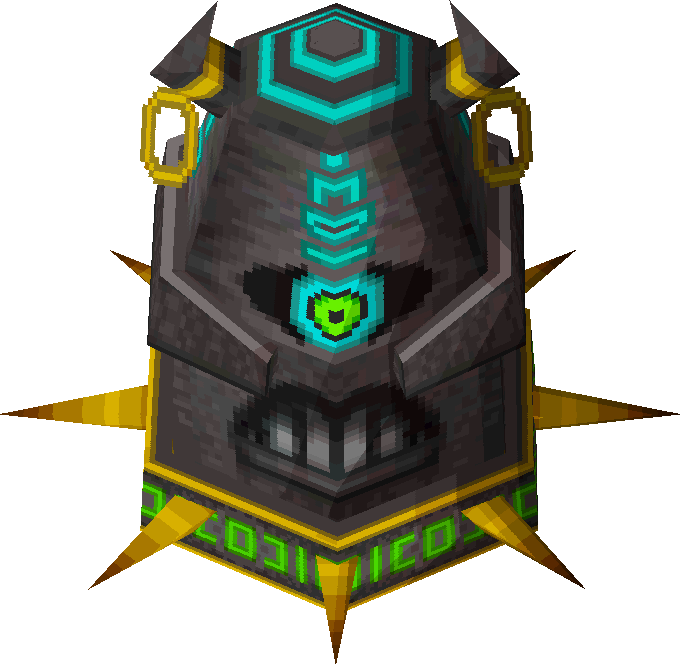
 Armos, an enemy from Phantom Hourglass
 -
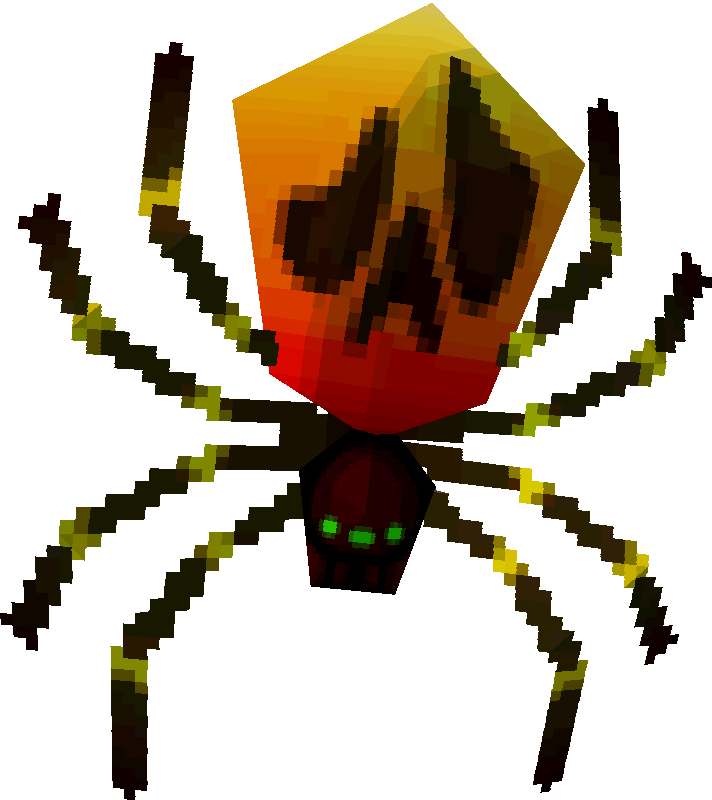
 Red Skulltula, an enemy from Spirit Tracks
 -
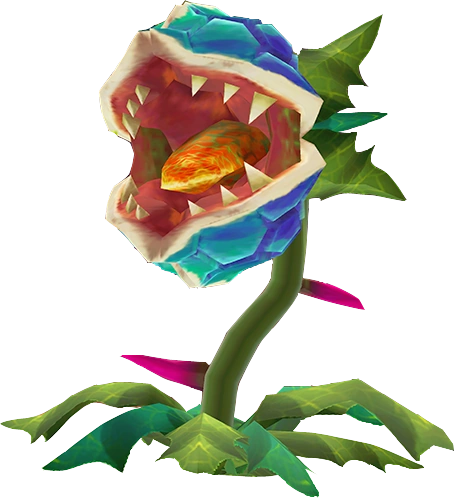
 A Deku Baba, an enemy from Skyward Sword
 -
 Blue Bari, an enemy from A Link Between Worlds
 -
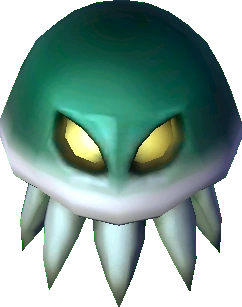
 A Ghini, an enemy from Tri Force Heroes
 -
 Fire Wizzrobe, an enemy from Breath of the Wild
 -
 Blue Bokoblin, an enemy from Tears of the Kingdom
 -
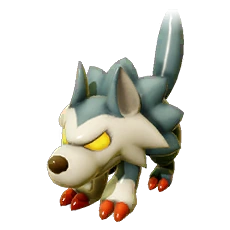
 A Wolfos, an enemy from Echoes of Wisdom
 -
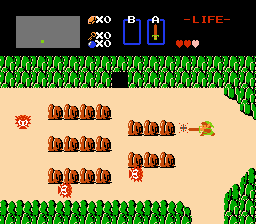
 Gameplay, Link slaying an Octorok in The Legend of Zelda
 -
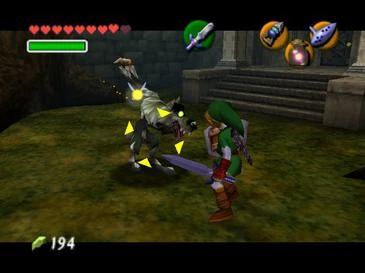
 Gameplay, fighting a Wolfos in Ocarina of Time
 -
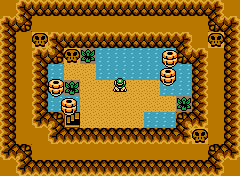
 Gameplay, Link surrounded by Like Likes in Oracle of Seasons
 -
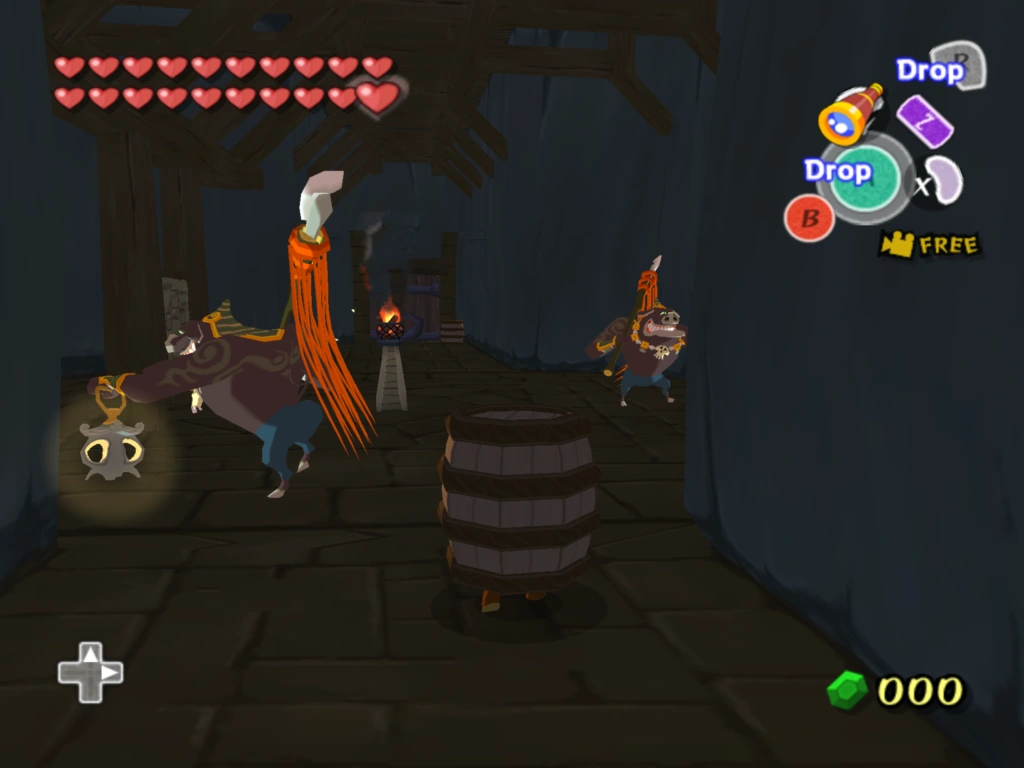
 Gameplay, sneaking past Moblins in The Wind Waker
 -
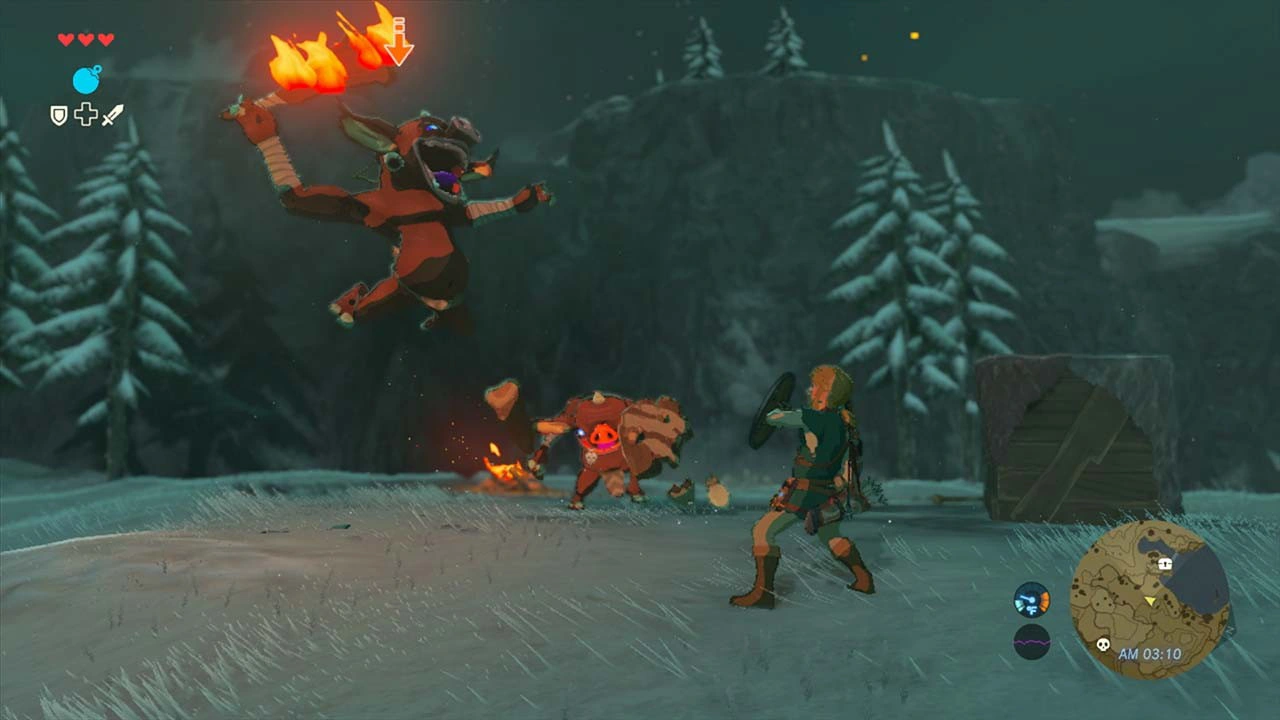
 Gameplay, a Bokoblin performing a Jump Attack towards Link in Breath of the Wild
 -
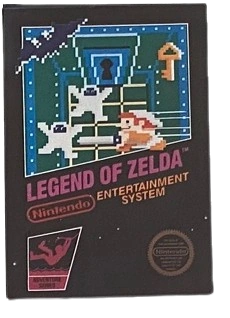
 Link fighting against a Keese and two Gibdos in an early box art of The Legend of Zelda
 -
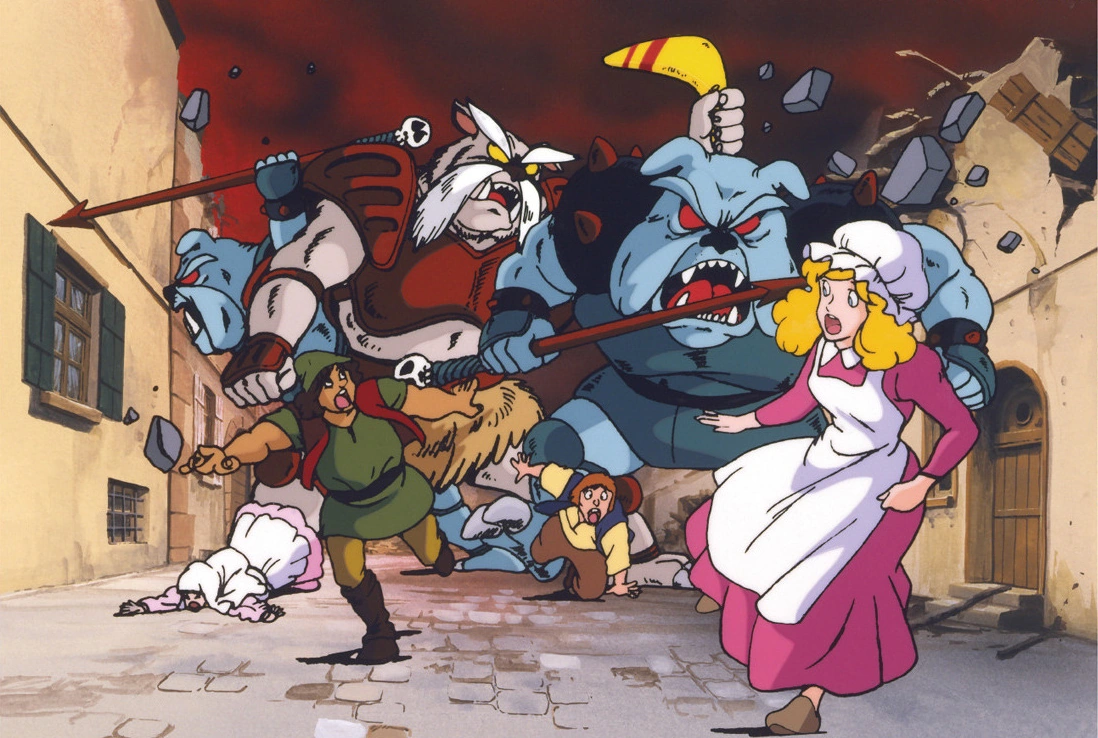
 Artwork of The Adventure of Link, depicting Moblins and Goriya attacking a town
 -
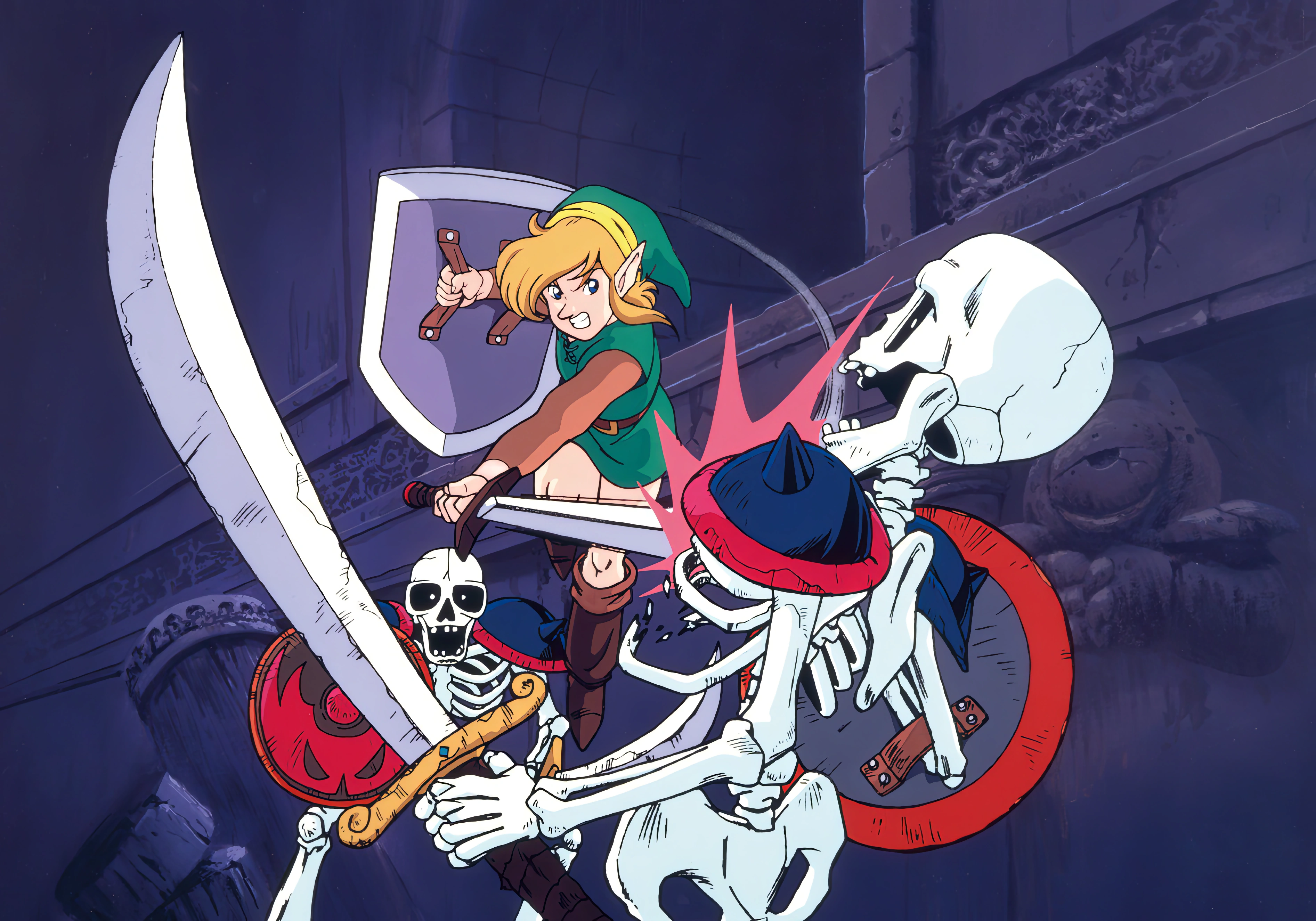
 Artwork of A Link to the Past, of Link fighting against two Stalfos Knights
 -
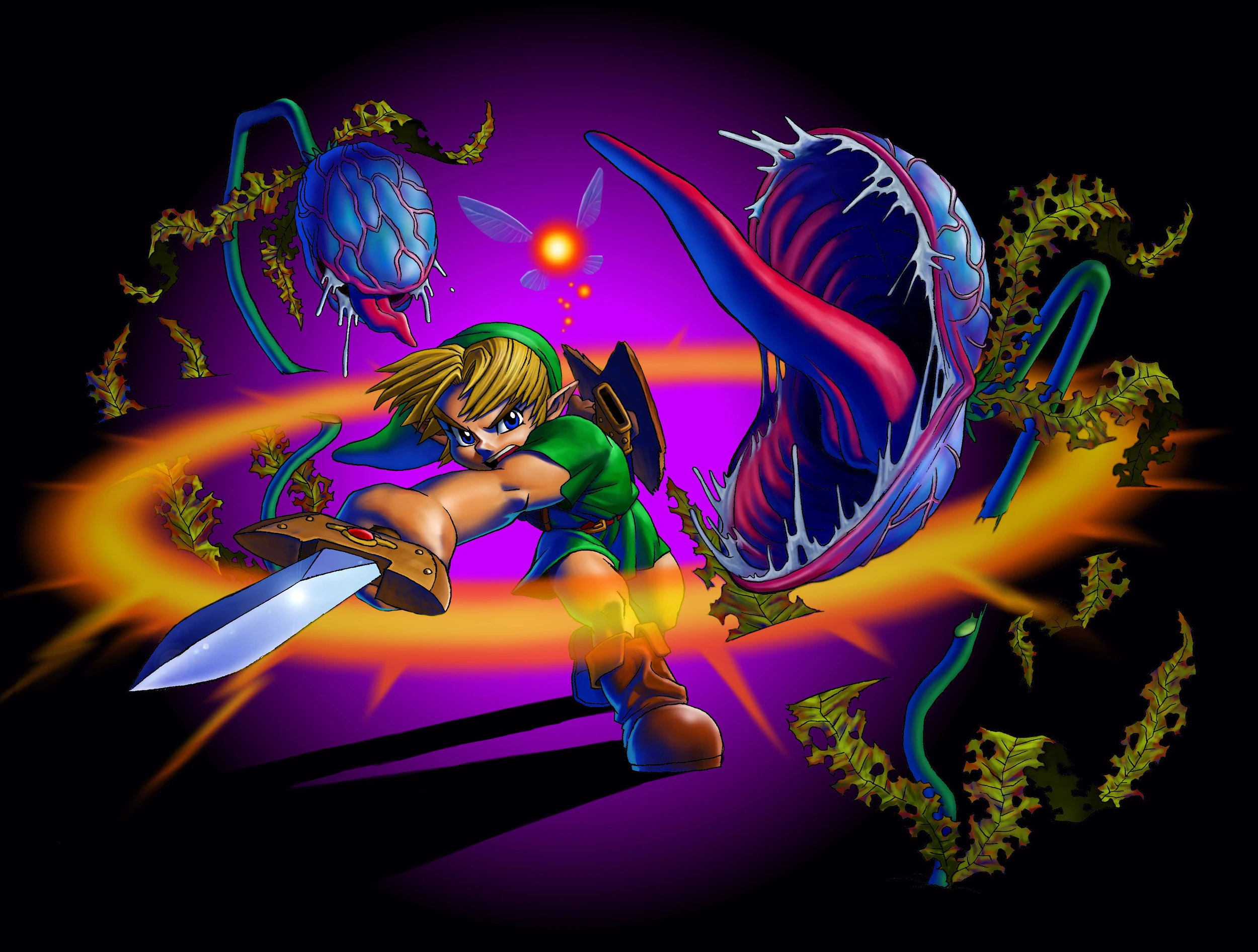
 Artwork of Ocarina of Time, depicting Link destroying two Deku Babas with a Spin Attack
 -

-
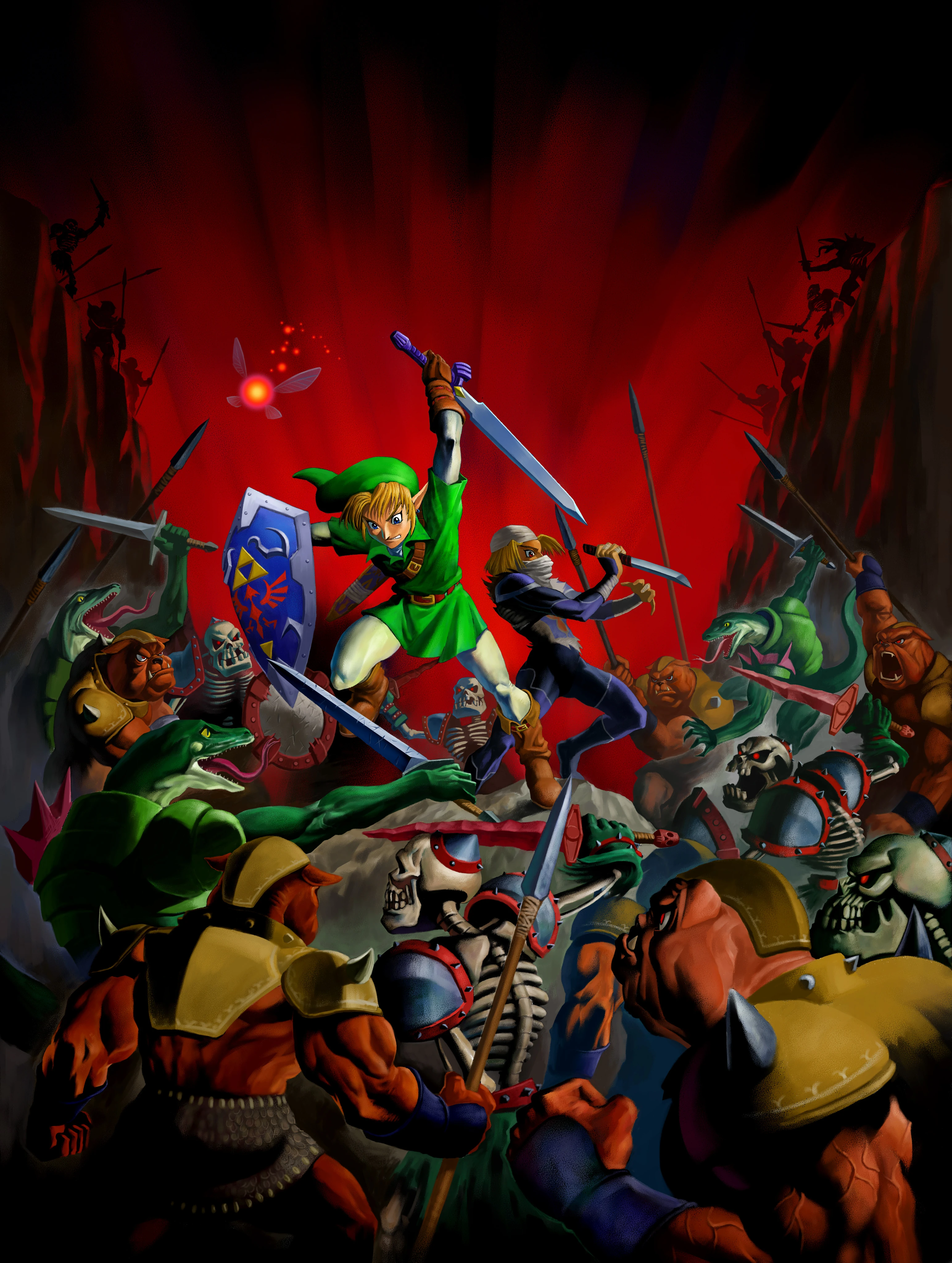
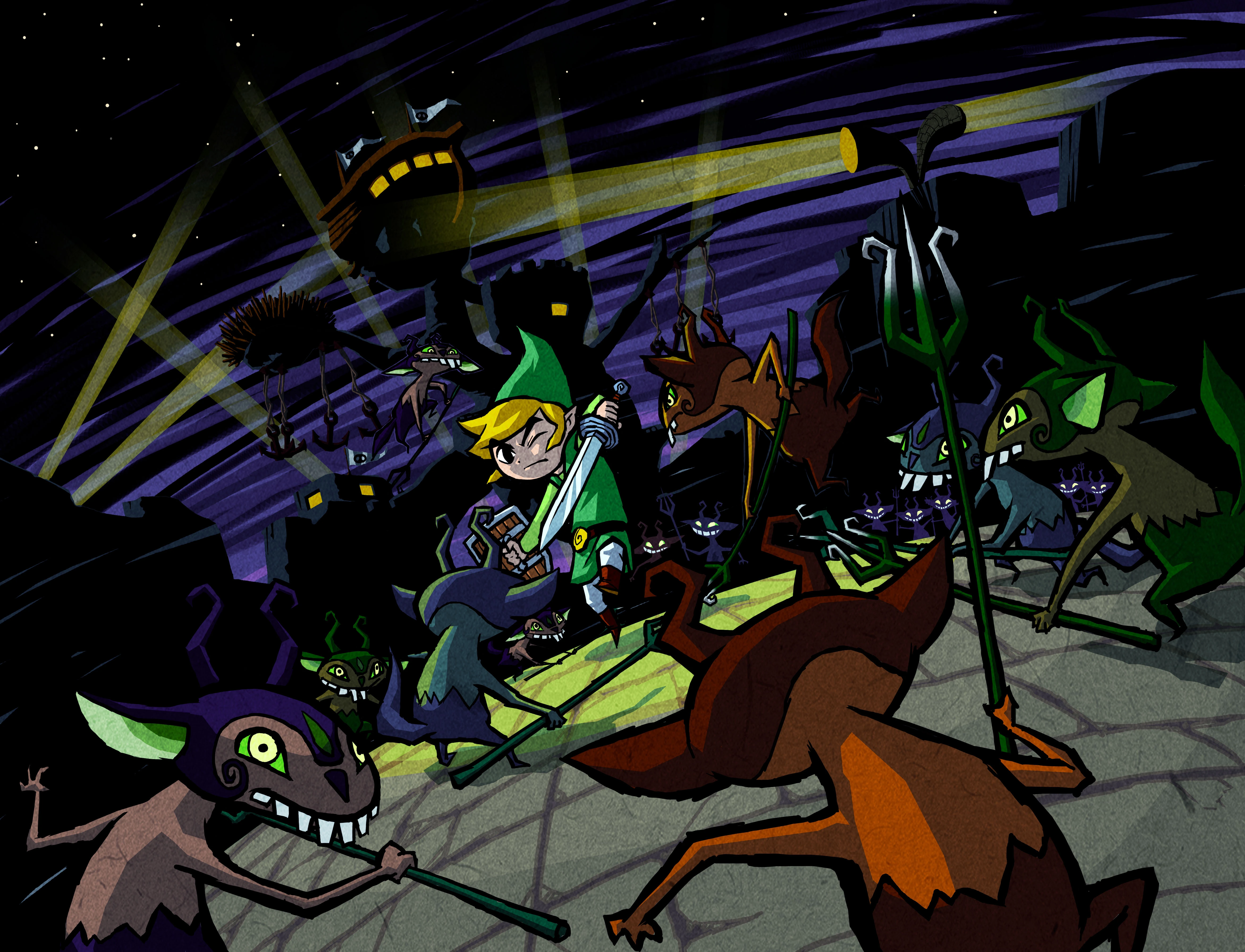
 Artwork of The Wind Waker, of Link fighting a group of Miniblins at Forsaken Fortress







Other Nintendo enemies
-

-
 Piranha Plant, a Mario enemy from Link's Awakening
 -
 Cheep Cheep, a Mario enemy from Link's Awakening
 -
 Blooper, a Mario enemy from Link's Awakening
 -
 Pokey, a Mario enemy from Link's Awakening
 -
 A Shy Guy, a Mario enemy from Link's Awakening (called Mask-Mimic in-game)
 -
 A Boo, a Mario enemy from Link's Awakening
 -
 Anti-Kirby, an enemy from Link's Awakening, based on the character of the same name from the Kirby series
 -
 A Sea Urchin, a Kirby enemy from Link's Awakening
 -
 A Thwomp, a Mario enemy as seen in Link's Awakening DX
 -
 Chain Chomp, a Mario enemy from Four Swords Adventures
 -
 A Lakitu, a Mario enemy from The Minish Cap
 -
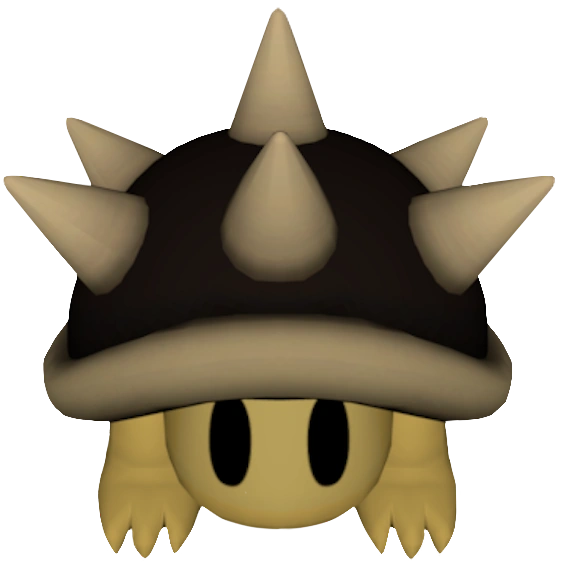
 A Spiny, a Mario enemy as seen in the Switch remake of Link's Awakening (called Spiked Beetle in-game)
 -
 Gameplay, fighting against an Anti-Kirby in the Switch remake of Link's Awakening


Trivia
- For video games in general, most often in action-adventure genre titles, although enemies during gameplay are meant to be dangerous to the protagonist and therefore must be defeated, it is not always the case. Seldomly, some creatures can actually be harmless or even friendly but are still treated as such, as the game targets them and can be attacked by the player's choice. Examples include Puffskeins in the early game adaptations of Harry Potter (PlayStation only) or the White Mushroom in the Kingdom Hearts series. A few Nintendo games have similar cases as well.

Link encountering two Chain Chomps in A Link to the Past, a Mario enemy meant for his home series
- One certain enemy, the Chain Chomp, although a recurring foe from Mario, was originally intended for The Legend of Zelda. This also applies for the Fire Bar hazard. Both have made a few appearances since A Link to the Past.
- As with bosses, The Adventure of Link is the first game in The Legend of Zelda series to have a battle theme for enemies. However in the title itself, the Japanese and international versions are completely different for their music. The latter for the NES has a rather longer, more upbeat theme fitting for the non-combat encounters while the former for the FDS has a darker, more menacing tone.
- The initial Japanese battle theme would be remixed for the Mini-Boss theme for The Minish Cap and is reused for the boss music in Super Mario Maker 2 of the Mario series when under the effects of the Master Sword power up.
- In Ocarina of Time, the enemy battle theme is still heard after receiving a Game Over if Link is defeated by enemies or accidentally dies while being close to such creatures. This does not carry over to later installments.
- On a related note, Hyrule Field in the aforementioned game is also known to have a unique theme when the main protagonist fights enemies, as it plays a "combat" version of its main theme.
- In The Wind Waker, when an enemy is nearby, Link can be seen reacting with a serious expression and looking directly at them. When multiple foes are present, the young hero faces the one nearest to him as long as they are in front.
- If one were to control another character besides Link in an event where the young hero requires teamwork to solve puzzles in a dungeon (such as Kafei, Medli, or Makar), care must be taken not to lure them toward enemies, as they will attack them and potentially lose control when struck. However, in the case of the former in Majora's Mask at Sakon's Hideout, such foes cannot reach him. Oddly, he can punch using the Sword button command, but it has no legitimate use.

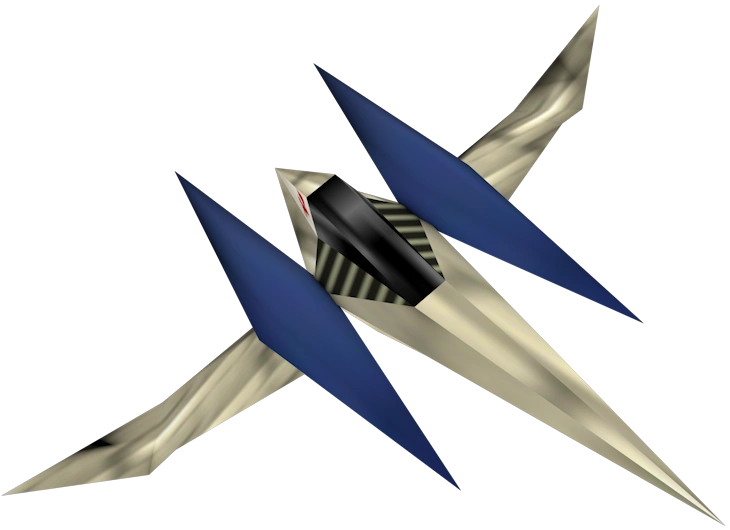
The Arwing enemy from Ocarina of Time, based on the Star Fox series
- Interestingly, in Ocarina of Time, there is an unused enemy directly refercing the Star Fox series, the Arwing, itself the trademark starfighter of Fox McCloud and his team, hidden in the game's code. Though technically a cameo from another Nintendo franchise, it was actually a placeholder by the development team to test the flight patterns of the Fire Temple's boss, Volvagia. Notably, the enemy Arwing is rather very small in size compared to its source material, similarly to most other flying enemies.
- The sound effect of enemies taking damage in The Legend of Zelda was reused for Super Mario Bros. 2 of the Mario series whenever its foes or objects are defeated from thrown Vegetables or the POW Block. On a similar note, the sound of Wizzrobes and Link shooting magic projectiles (the latter's case with the Magical Rod) was also used for Birdo and Tryclyde spitting eggs and fireballs, respectively.

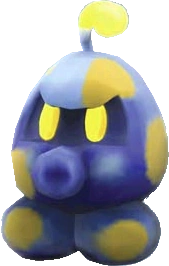
The Octoomba hybrid enemy from the Mario series
- Despite some various enemies from other Nintendo franchises, mainly Super Mario, had appeared in certain The Legend of Zelda games, this series' own foes very rarely make appearances in such titles. The most well-known case, however, the Super Mario Galaxy installments have unique enemies called Octoomba, which itself is a variant of both the Octorok and Goomba. On the other hand, aside from the Manhandla rumored to be jumbo-sized Piranha Plants, some enemies and bosses from both iconic franchises have parallels (as they were originally created by the same development team). For example, the Deku Scrub, Poe, and Deku Babas from Zelda are similar to the Snifit/Birdo, Boo, and Piranha Plants from Mario. This also applies to the main antagonists themselves - Ganon and Bowser.


Enemy battle theme samples
The Adventure of Link (Japanese FDS version, debut)
Ocarina of Time
Majora's Mask
The Wind Waker
Twilight Princess
Twilight Princess (Twilight Realm variant)
Skyward Sword
Nomenclature
 Names in other regions Names in other regions  | |||
|---|---|---|---|
| Language | Name | ||
| This table was generated using translation pages. | |||
References
- ↑ Encyclopedia, Dark Horse Books, pg. 162 (Series)
- ↑ "You defeated the correct enemy!" — N/A (Hyrule Warriors: Definitive Edition)
- ↑ "Monsters" — Hyrule Compendium (Breath of the Wild)
- ↑ "Empty? There was nothing in there but a rabble of monsters?" — Vaati (The Minish Cap)
- ↑ "Creepy... It’s like all these monsters just appeared out of nowhere..." — Bremor (The Minish Cap)
- ↑ "It will be a dangerous journey, now that those monsters have been freed." — King Daltus (The Minish Cap)
- ↑ "So, that Picori Blade was just a lock keeping those monsters in that chest? The rumor is that Vaati was looking for something inside the chest... I mean, something other than monsters. But nobody knows for sure what it is." — Vassal (The Minish Cap)
- ↑ "The hat has the power to turn the thoughts of its wearer into reality. Vaati’s heart was filled with evil, and that was reflected in what he became. But it seems that Zelda’s pure heart, coupled with the hat’s power... ...has created a miracle!" — Ezlo (The Minish Cap)
- ↑ 9.0 9.1 9.2 9.3 The Legend of Zelda: Breath of the Wild — The Complete Official Guide (Expanded Edition, 2018), Piggyback Interactive Limited, pg. 300
- ↑ The Legend of Zelda: Breath of the Wild — The Complete Official Guide (Expanded Edition, 2018), Piggyback Interactive Limited, pg. 322
Notes
- ↑ A few select animals, like Maraudo Wolves, are classified as Creatures even though they are hostile towards Link. Furthermore, many animals are able to cause damage to Link, but are not actively hostile towards him, causing them to be classified as Creatures.
- ↑ Stalnoxes are a Boss which do not randomly appear.